Hi Anthropic. I’m Chris.
You’ve been open about wanting to learn what creative practitioners need from the tools you’re building. But right now the tools are moving faster than their trust. It’s something I’ve been thinking about, and I’d like to figure it out with you.
I’ve spent fifteen years in the space between companies and the people they make things for. Who gets access. Who gets heard. Whether any of it is trusted. That space is the work I know best.
And your head of design calls working prototypes the lingua franca at Anthropic. So I built this.
Building access, audience, and community.
{{ upCap }}
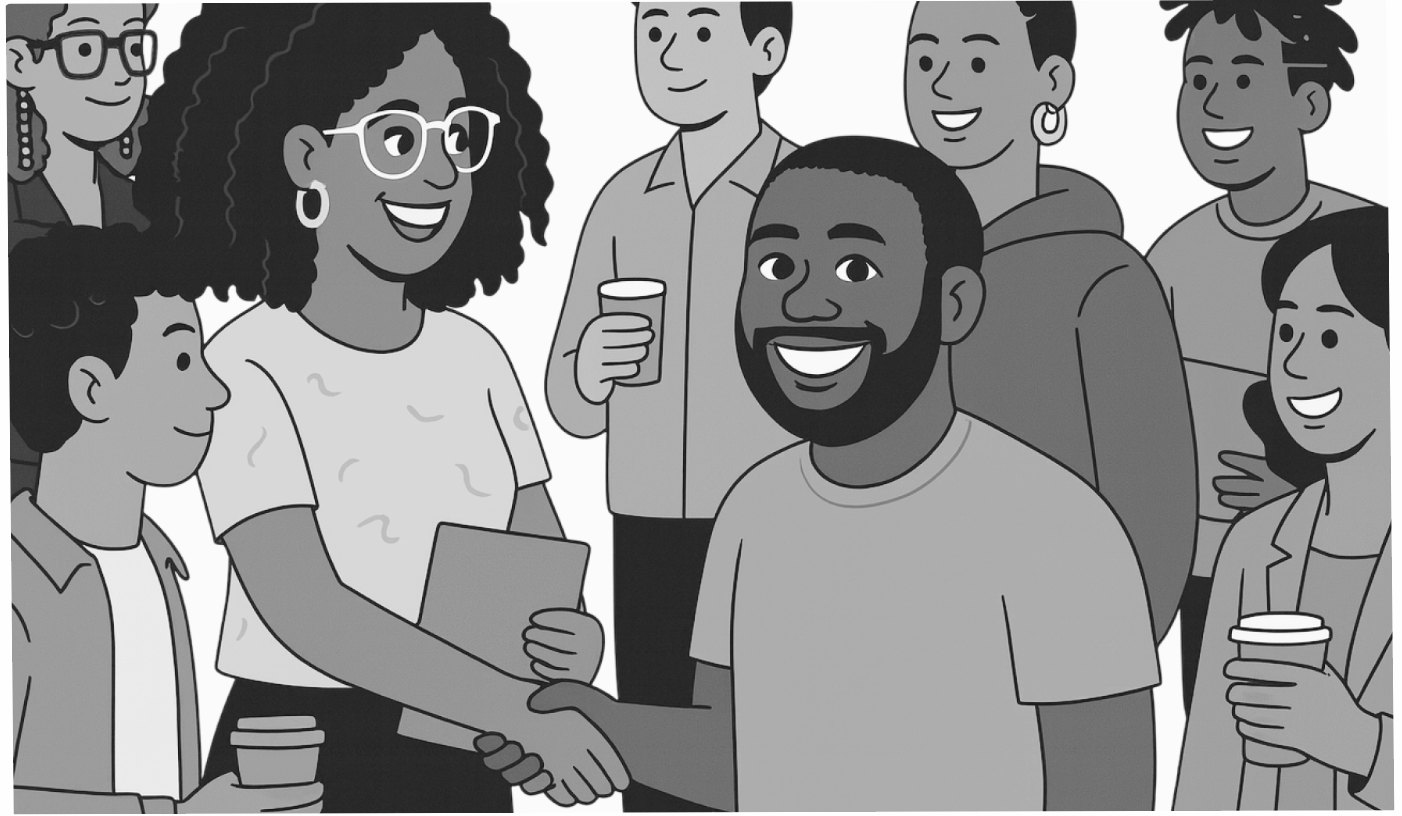
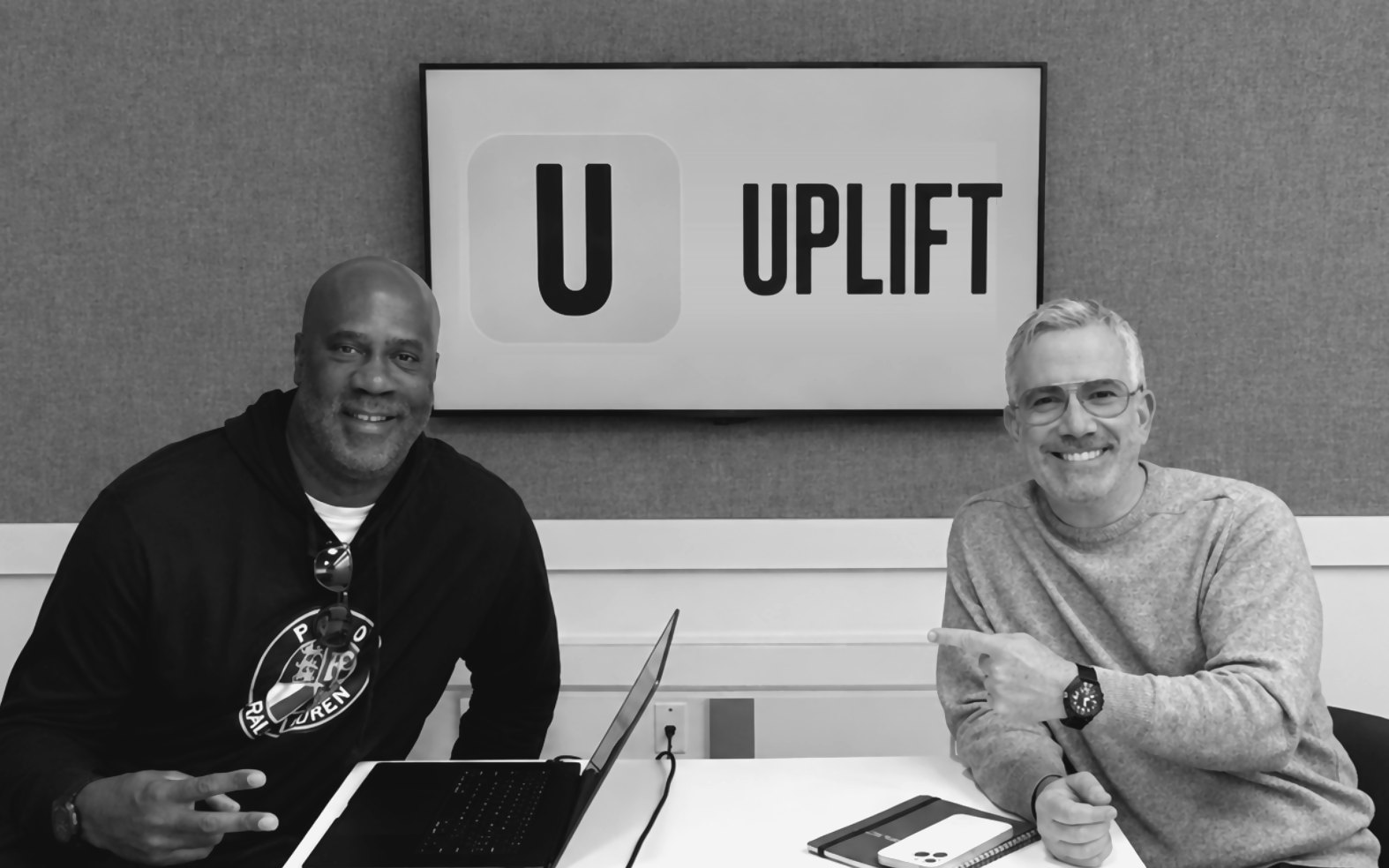
Uplift is what I’m building now. We pair early-career designers from underrepresented backgrounds with mentors from Apple, Google and Microsoft, and with the networks that decide who gets hired. Next: ten thousand designers, nationwide.
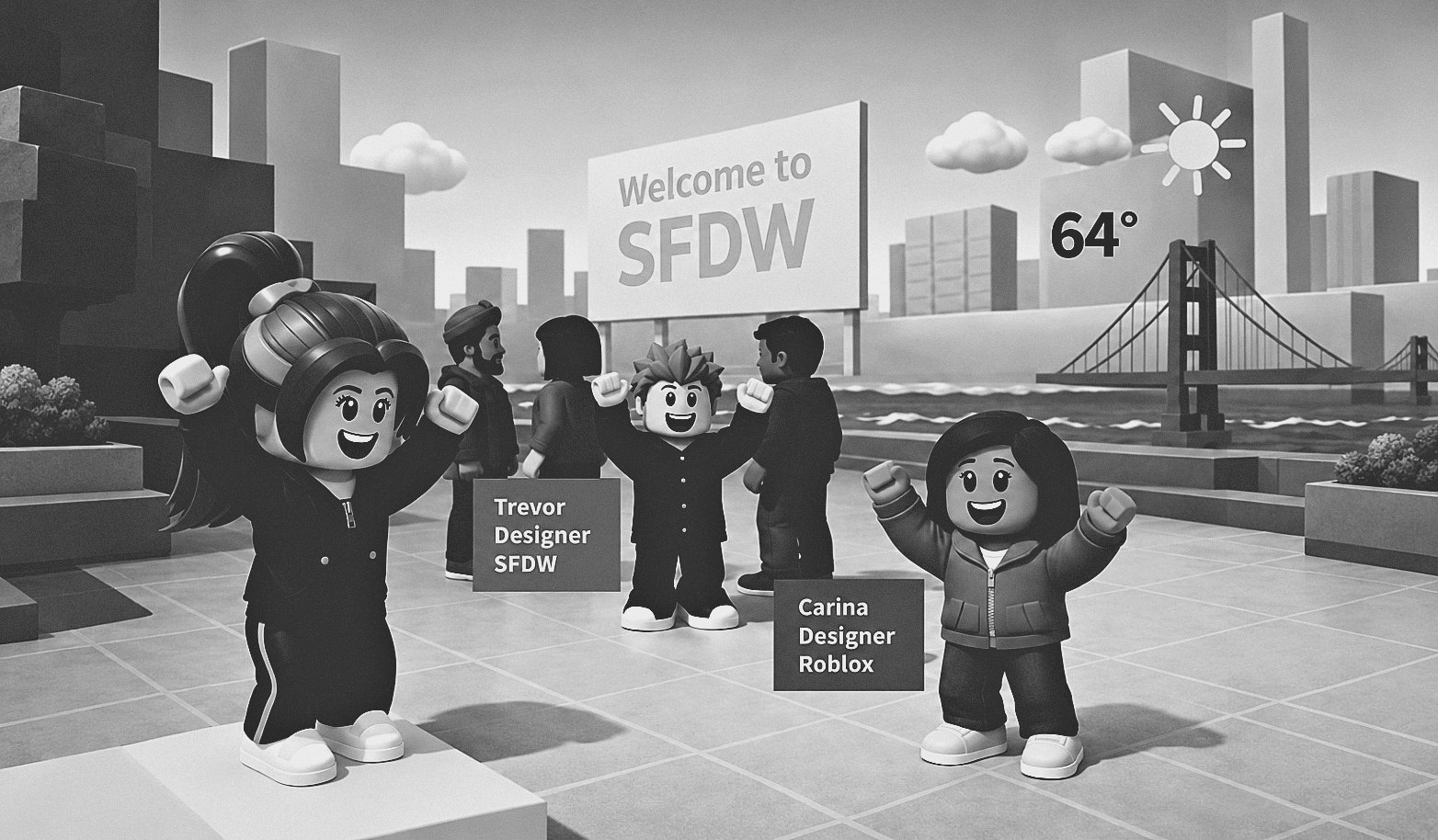
Roblox × SFDW Case study
When the pandemic put San Francisco Design Week at risk, I moved it inside Roblox. Imagination Space gave designers somewhere to gather when they couldn’t meet anywhere else. A little play and serendipity, at a time that had little of either.
{{ ipCap }}
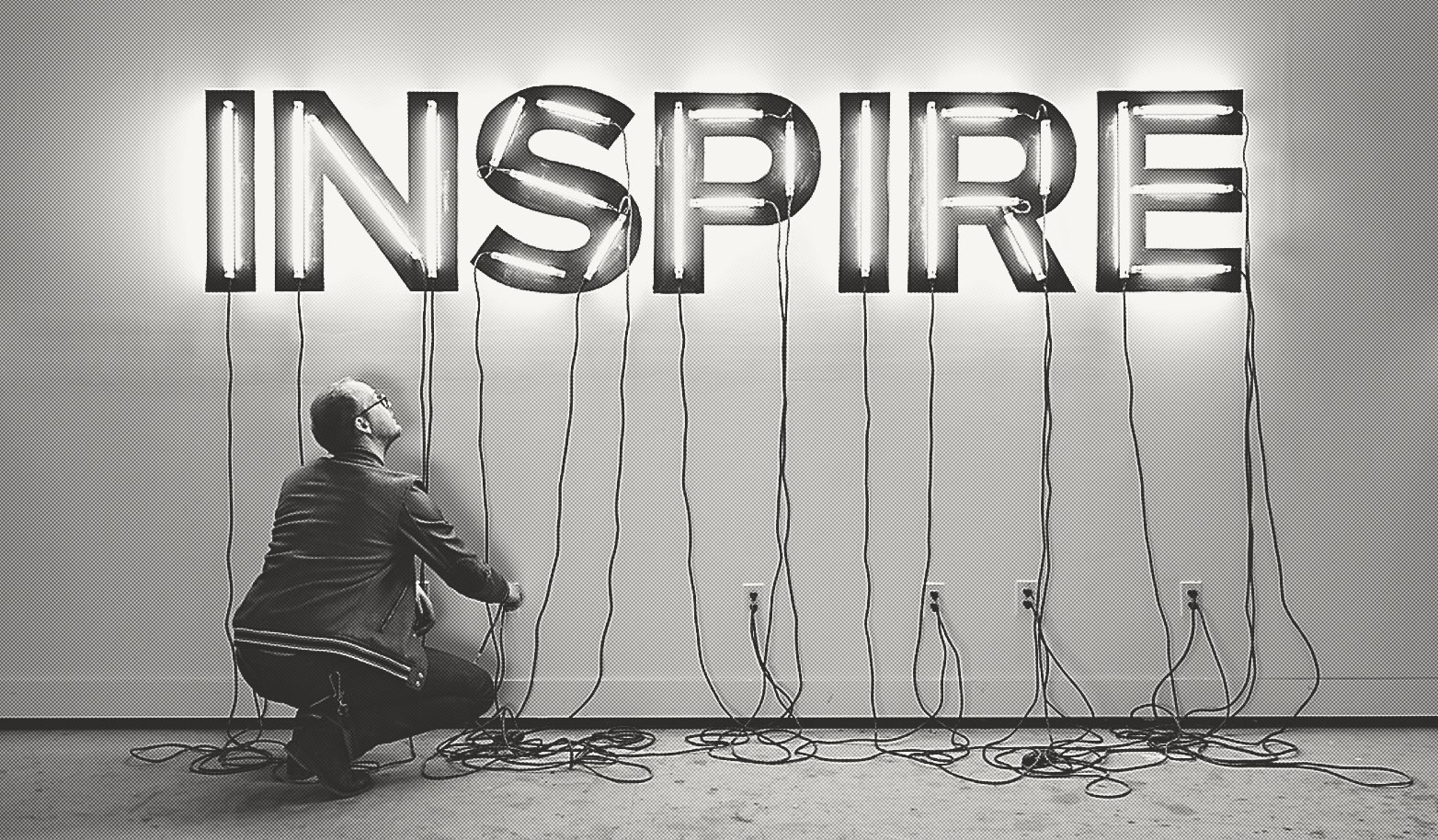
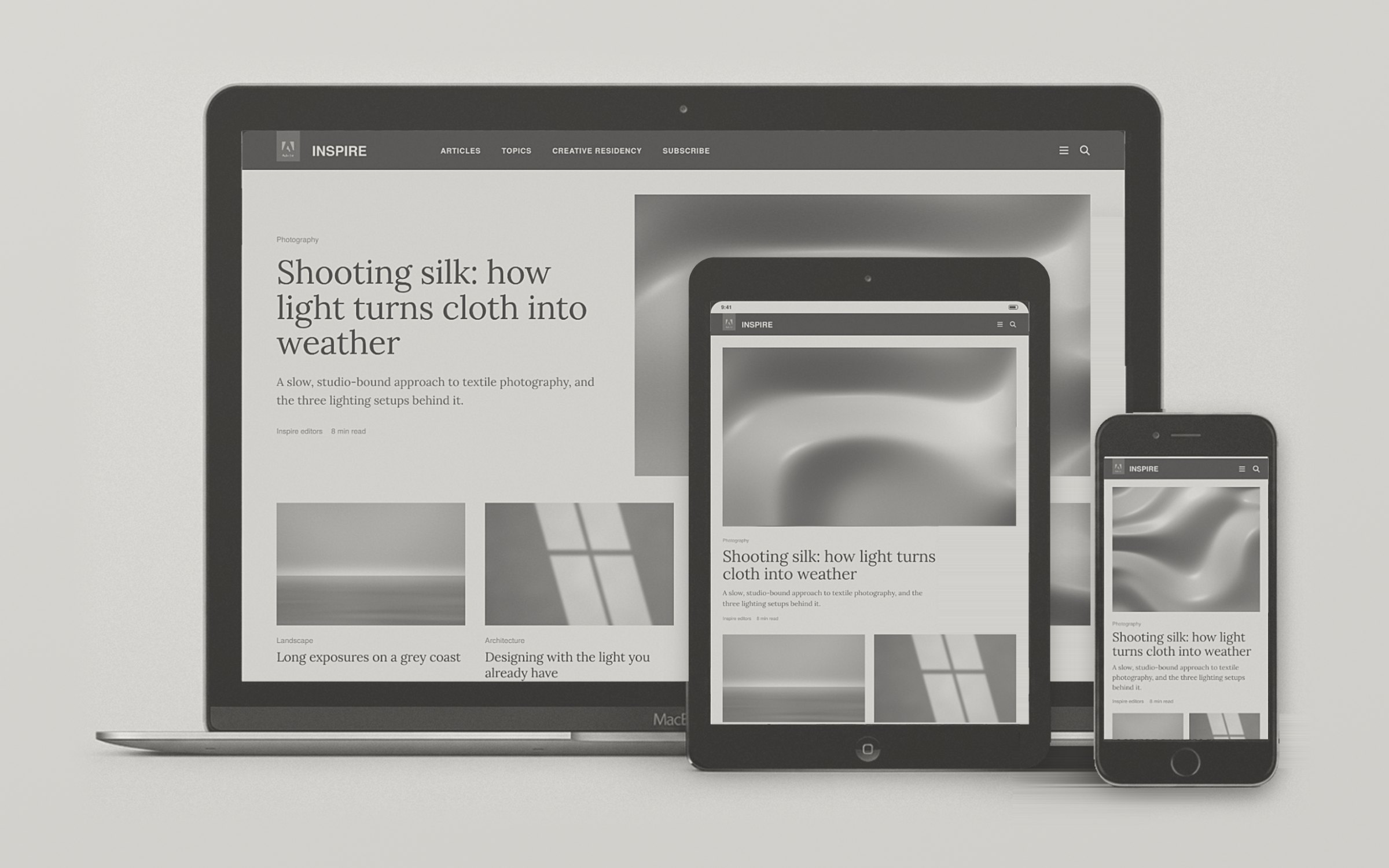
I founded Inspire, Adobe’s first external channel on design. Until then, the company met designers a few times a year, mostly at events. Inspire made it daily. 40K weekly visits over 18 months, with no budget. It got executive attention. Marketing adopted it, grew it into Create, and scaled it to millions of subscribers.
{{ inCap }}
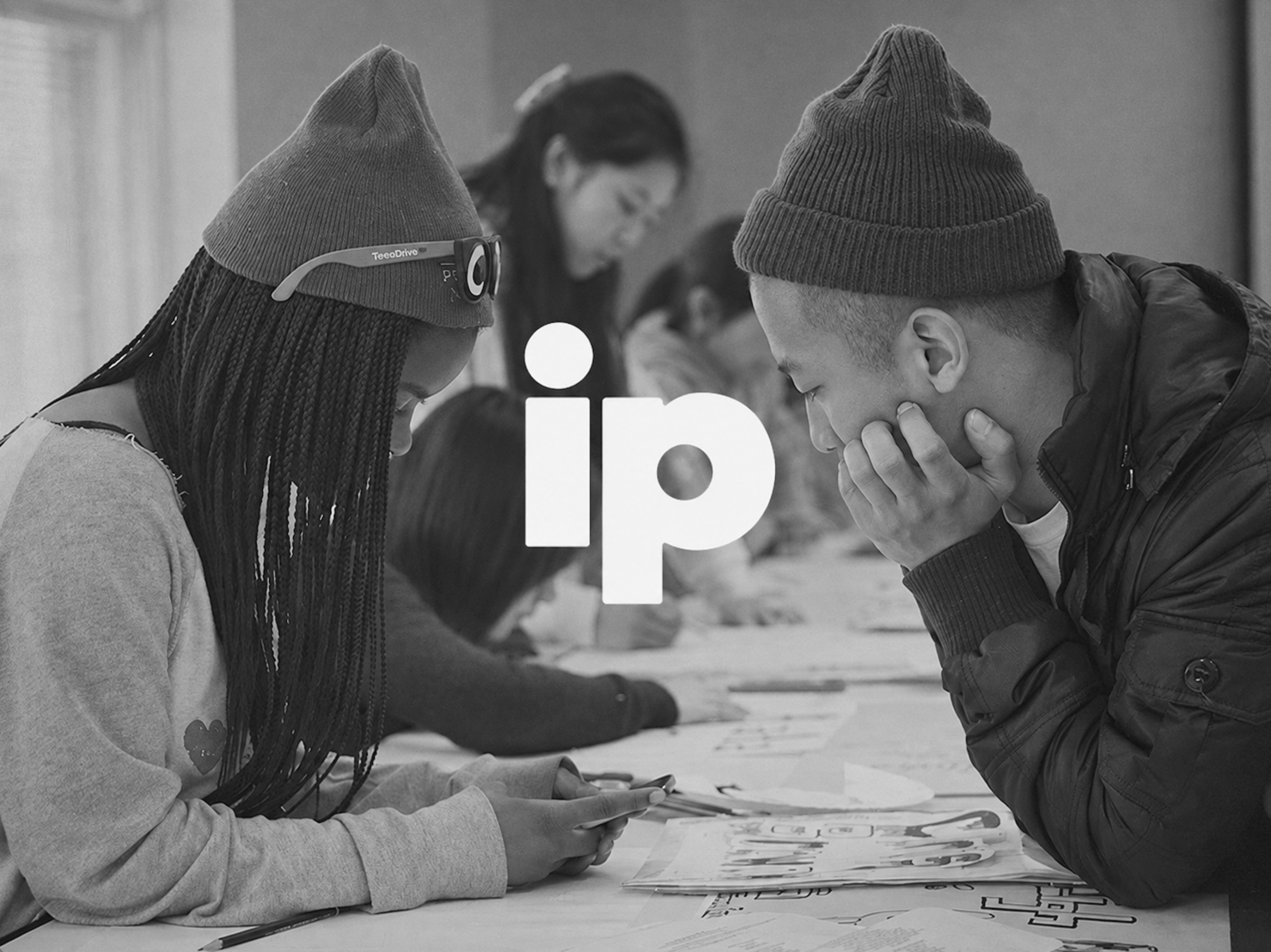
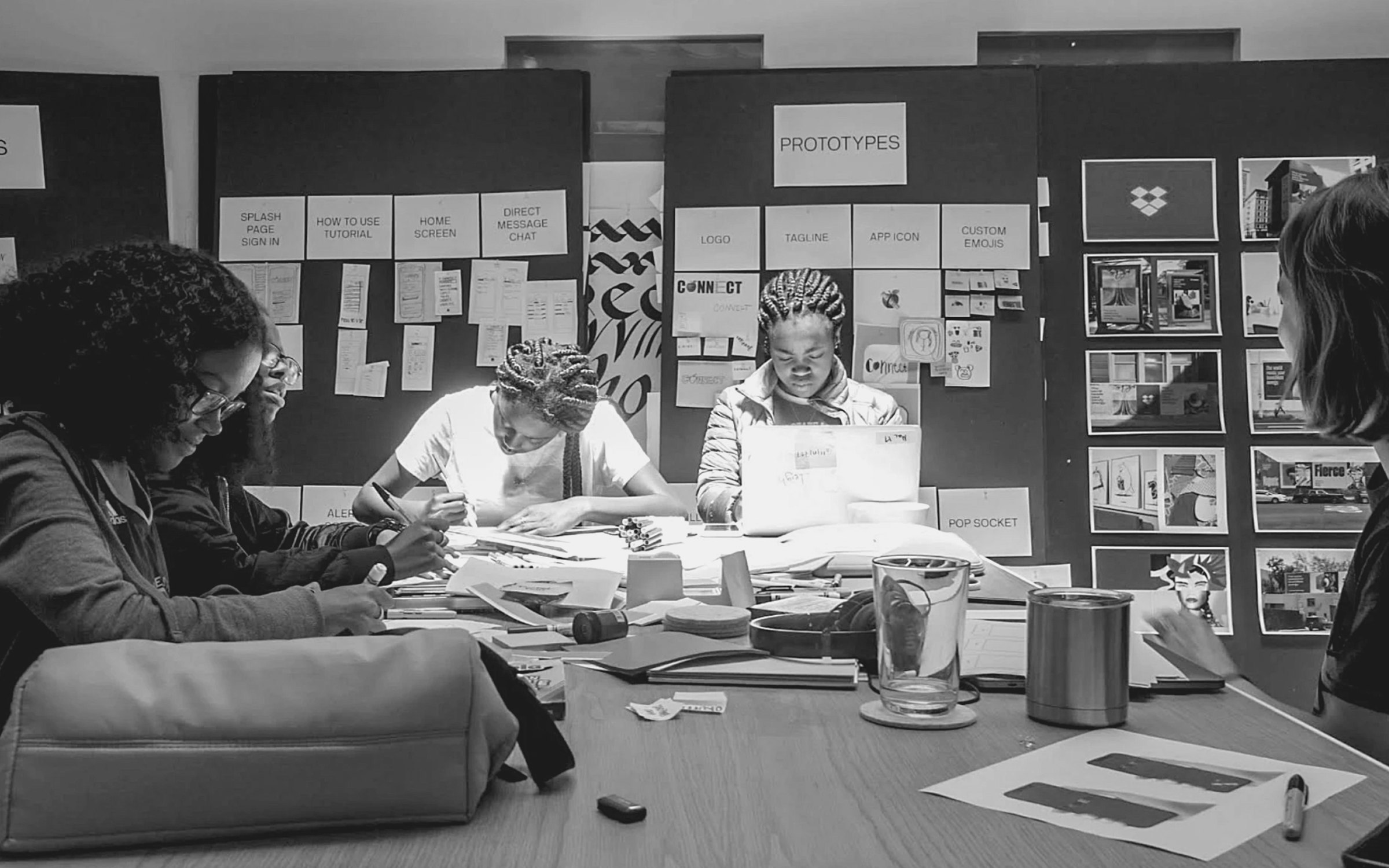
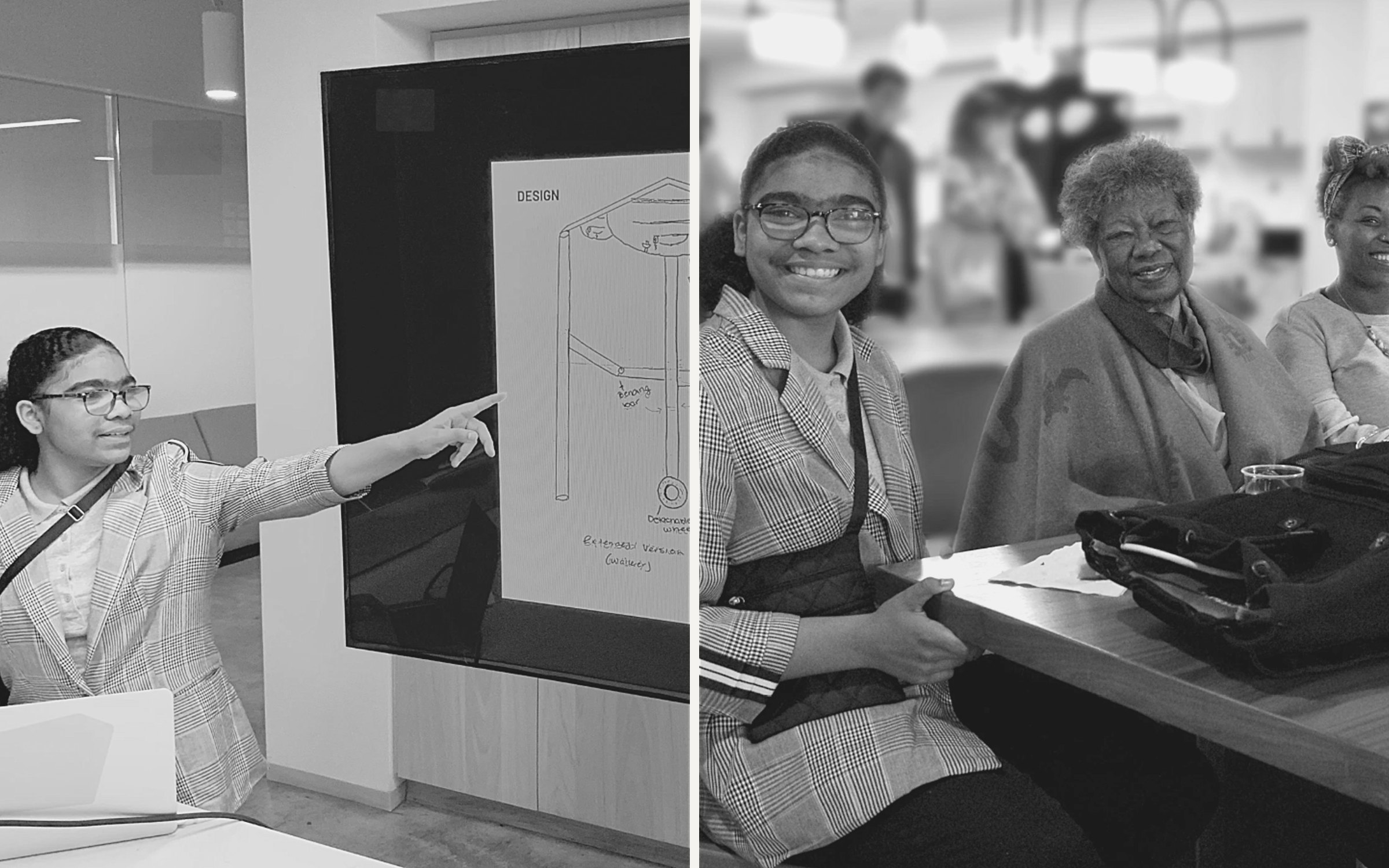
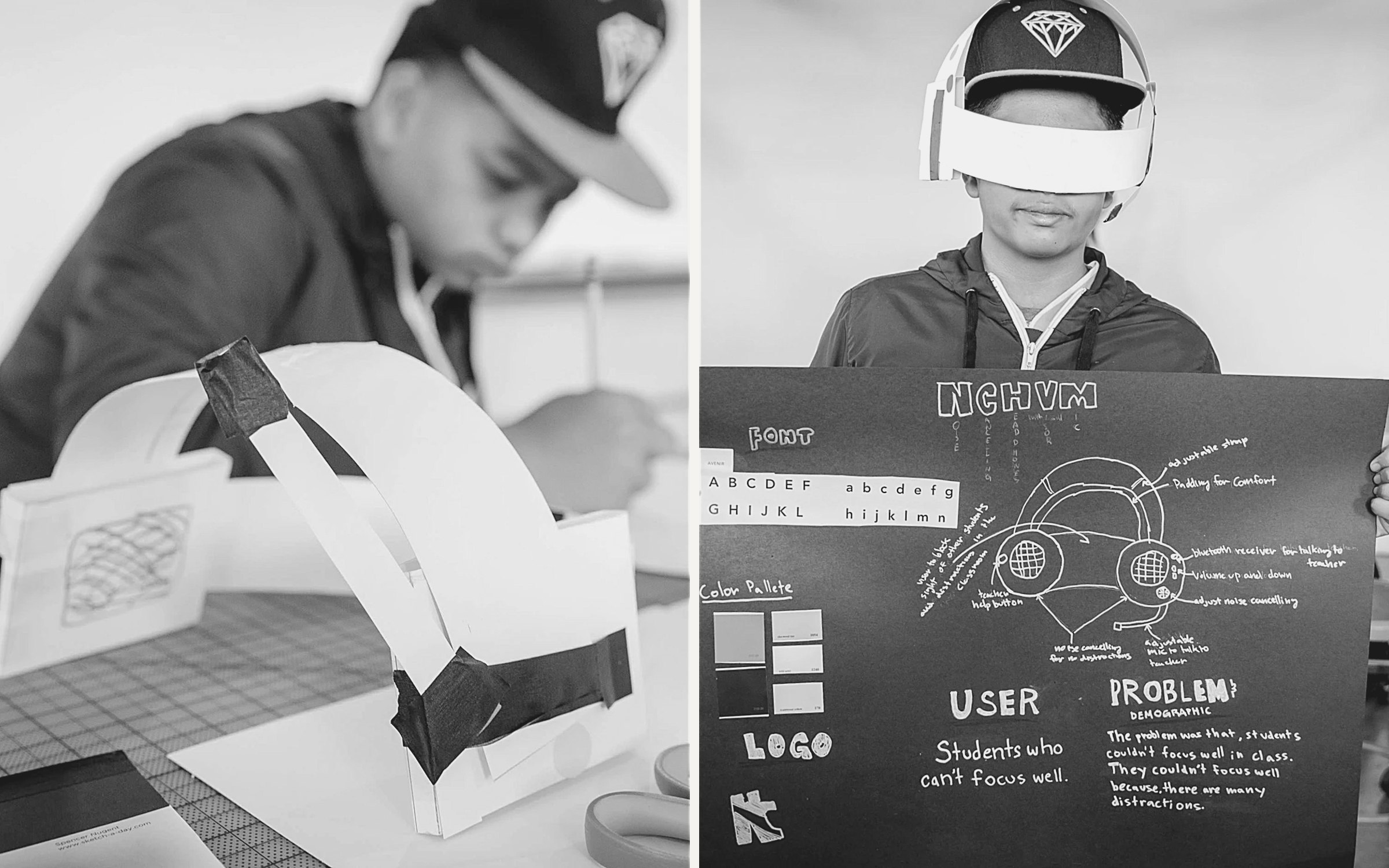
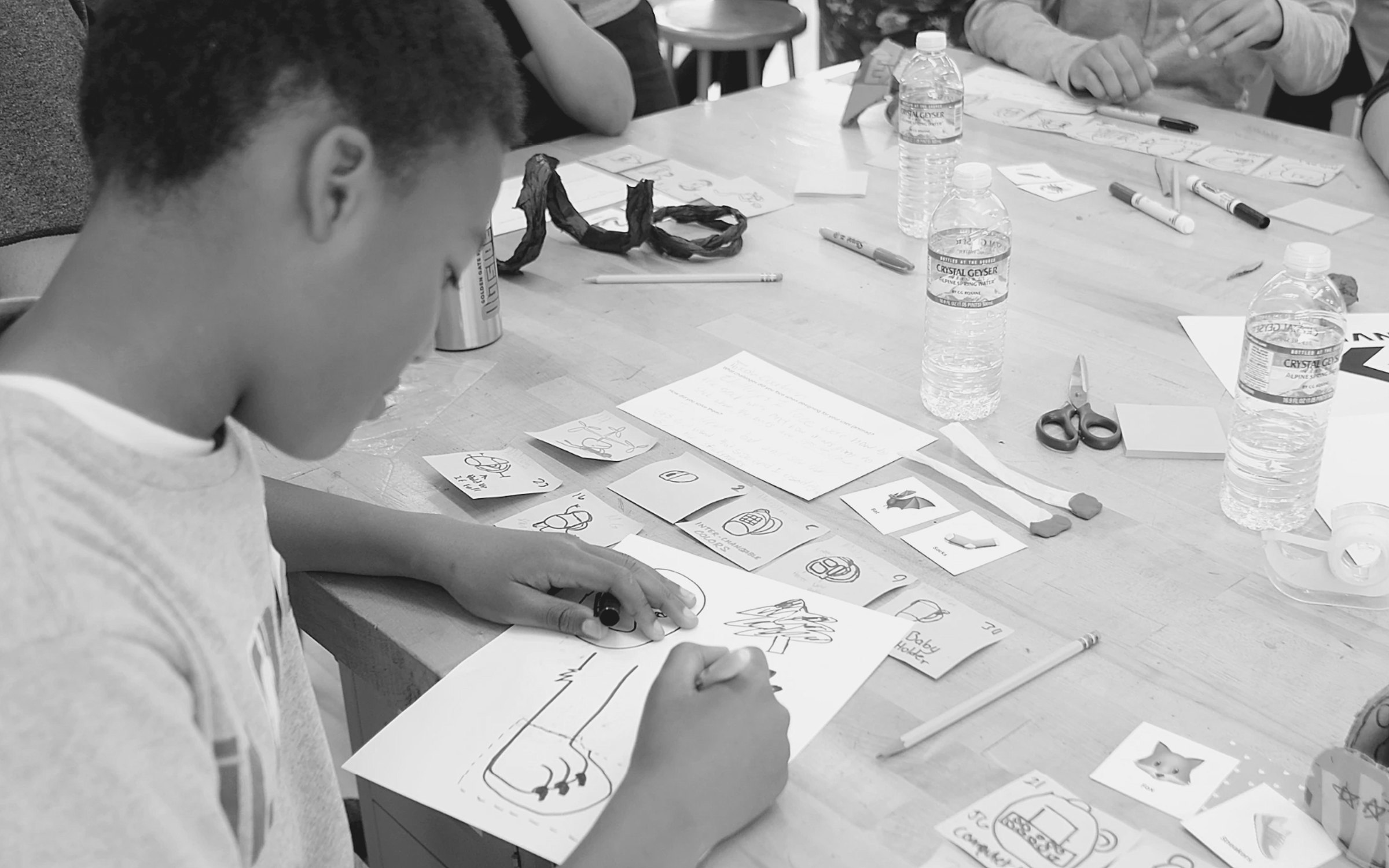
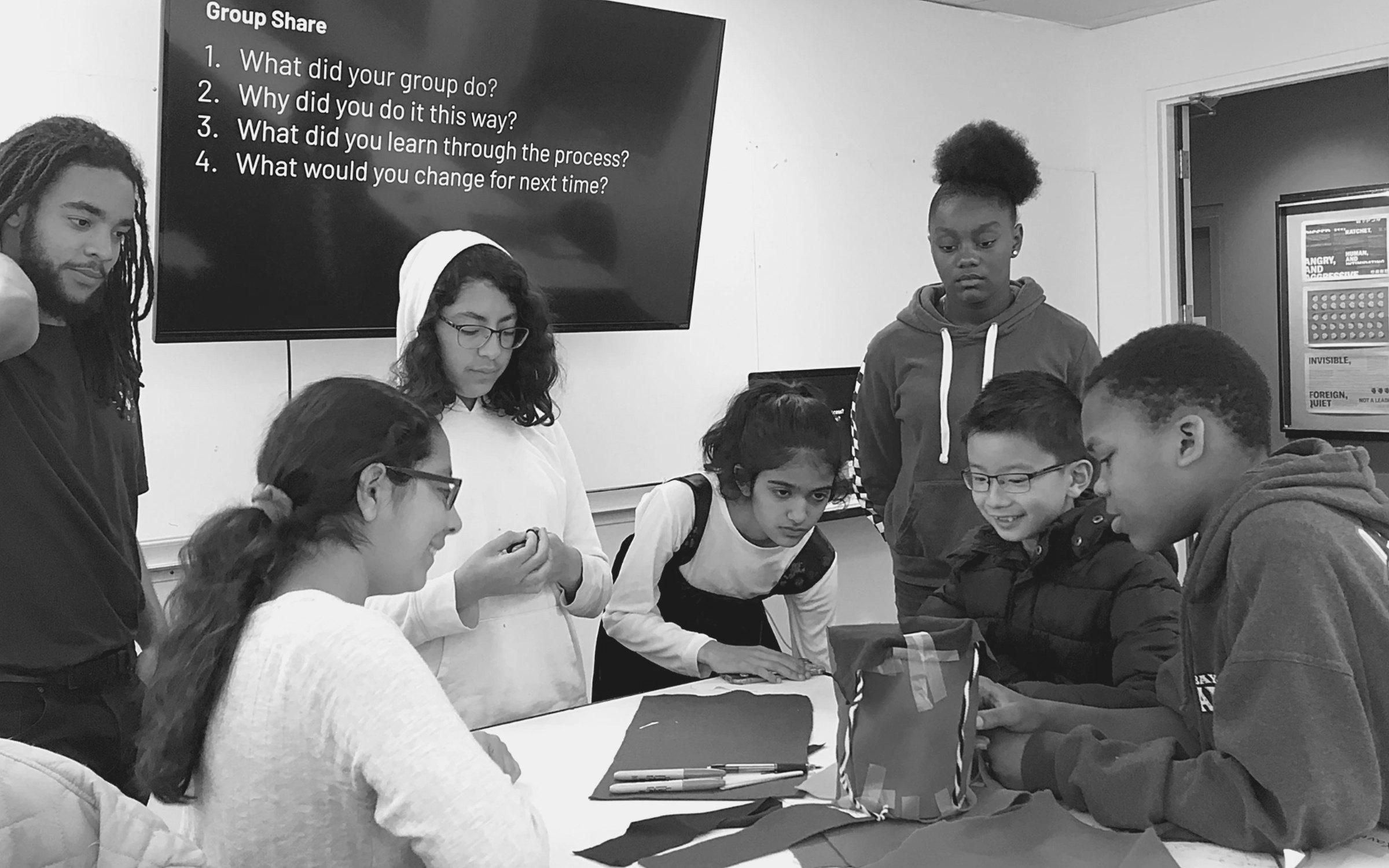
For over a decade I helped build Inneract Project (IP), free design education, open to every student — with a focus on Black, Latinx, and other young designers of color. For many, the first time anyone showed them design was a path at all.
Widening the lens, and who looks through it.
{{ csCap }}
{{ csCap2 }}
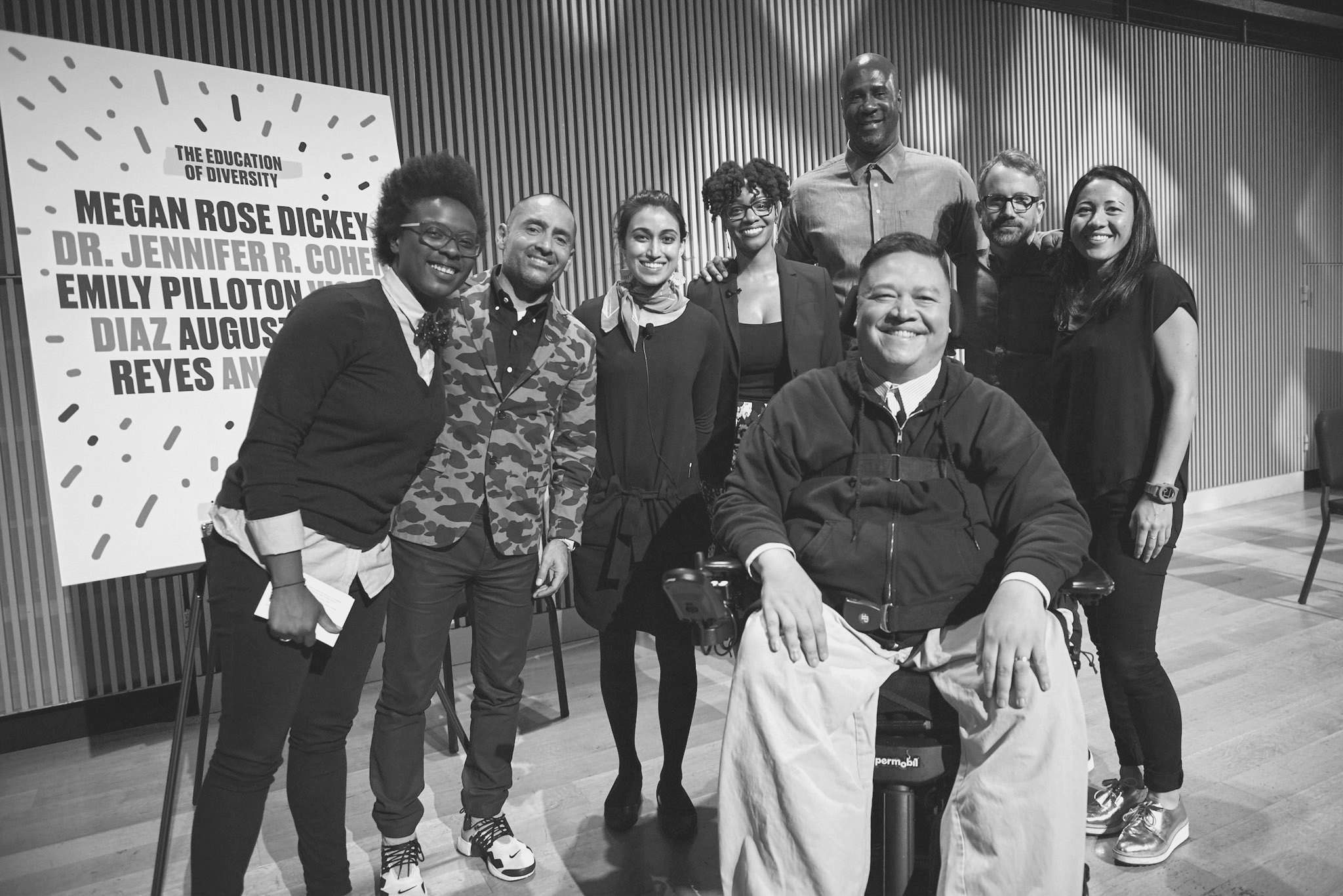
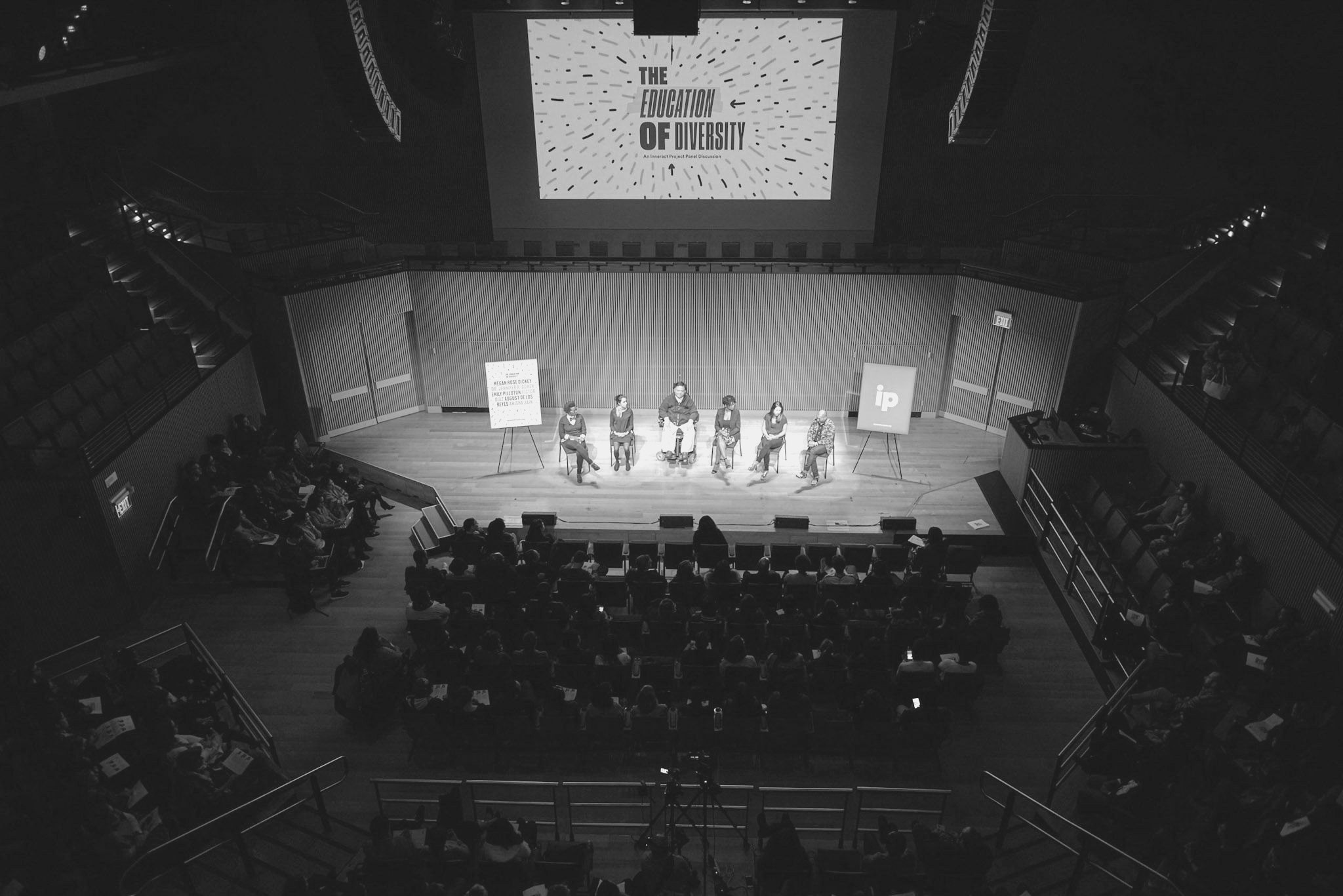
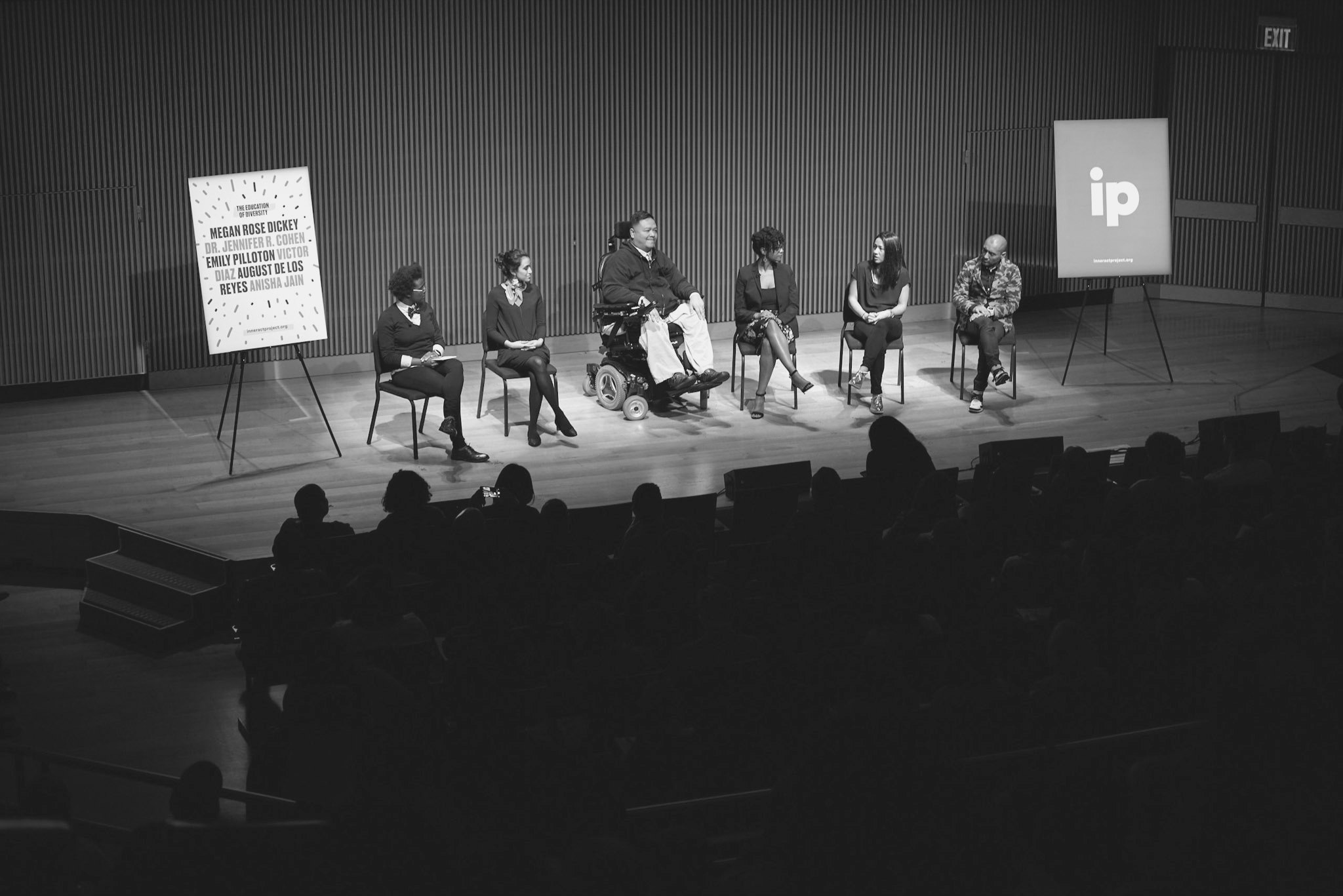
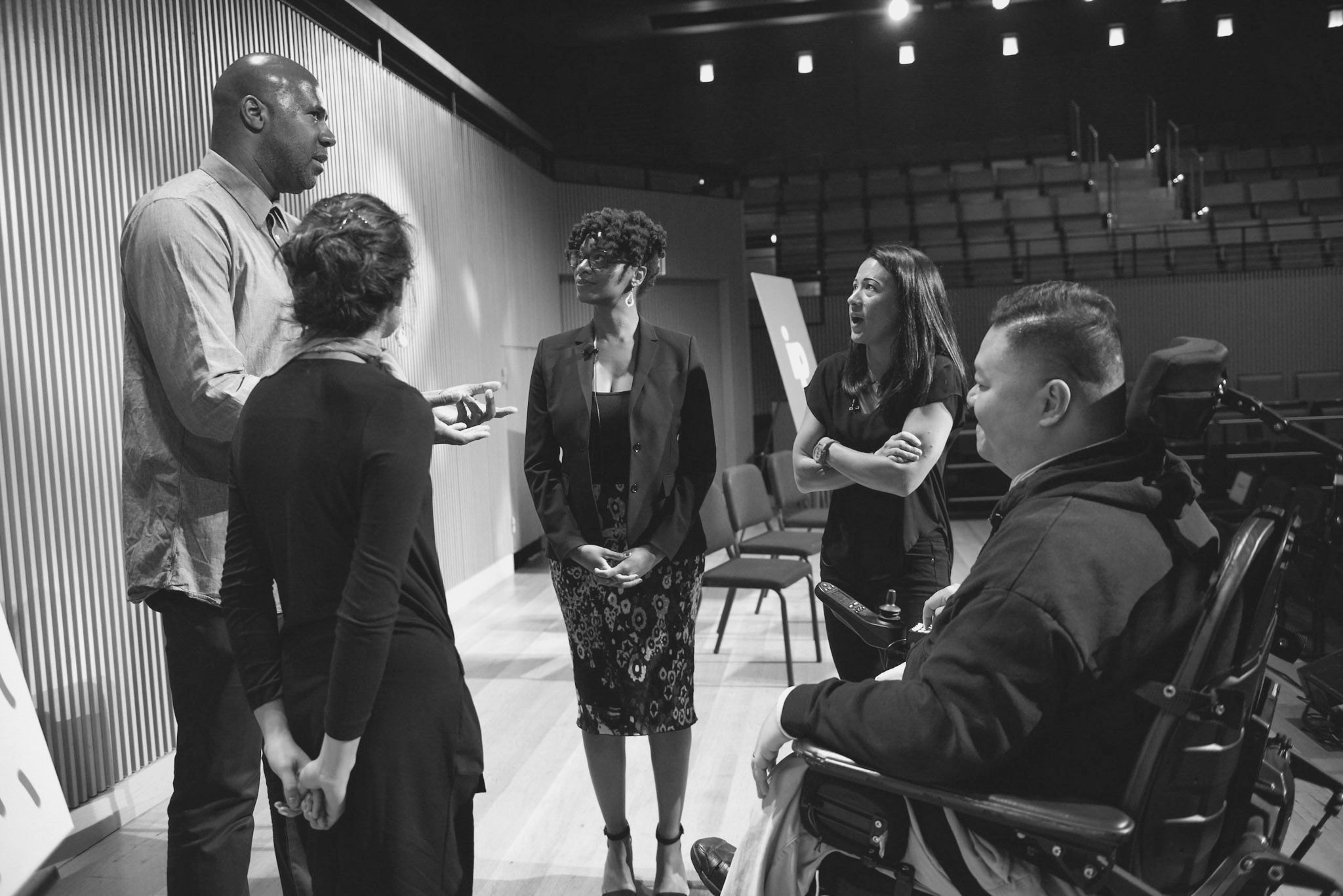
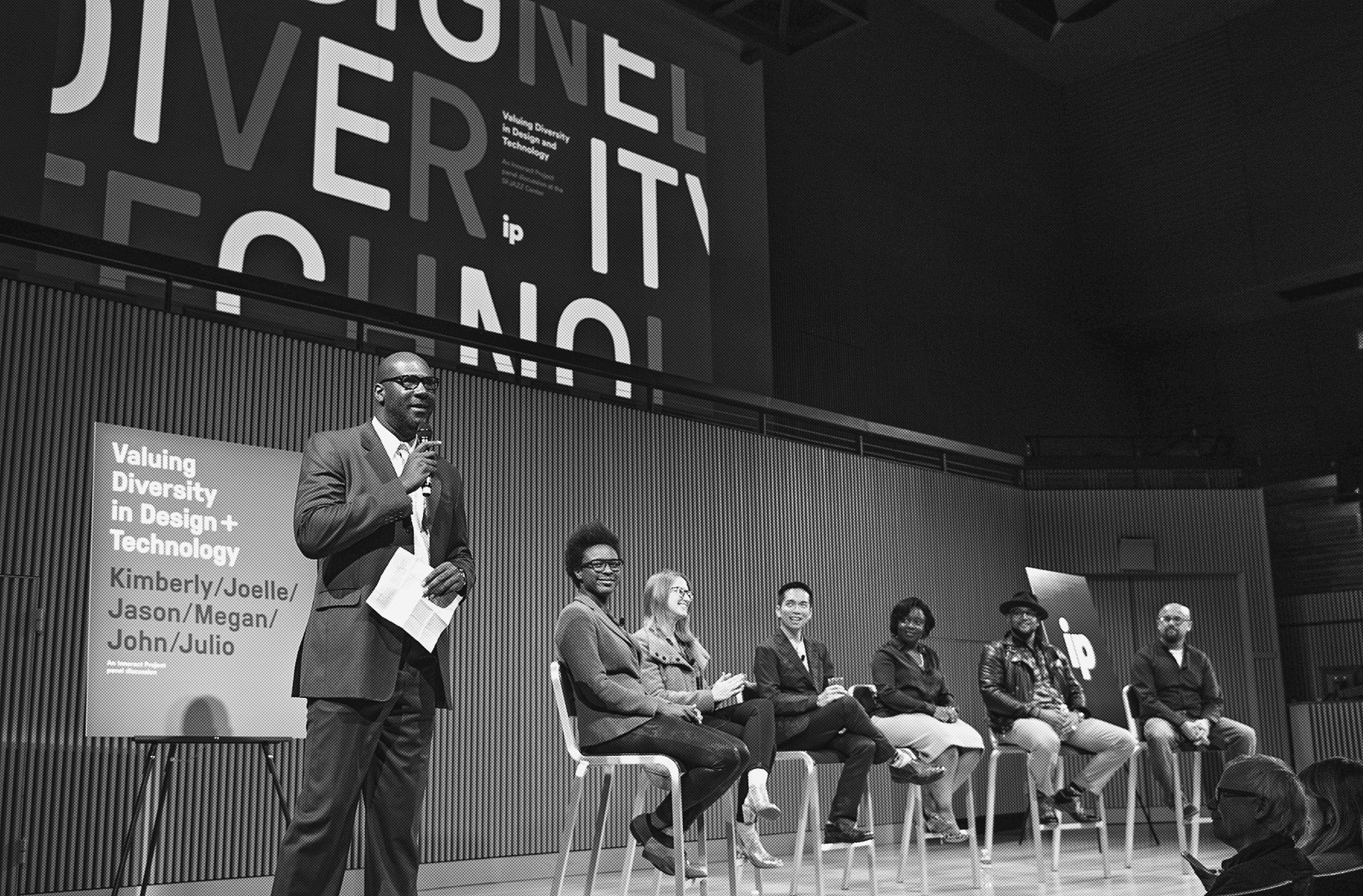
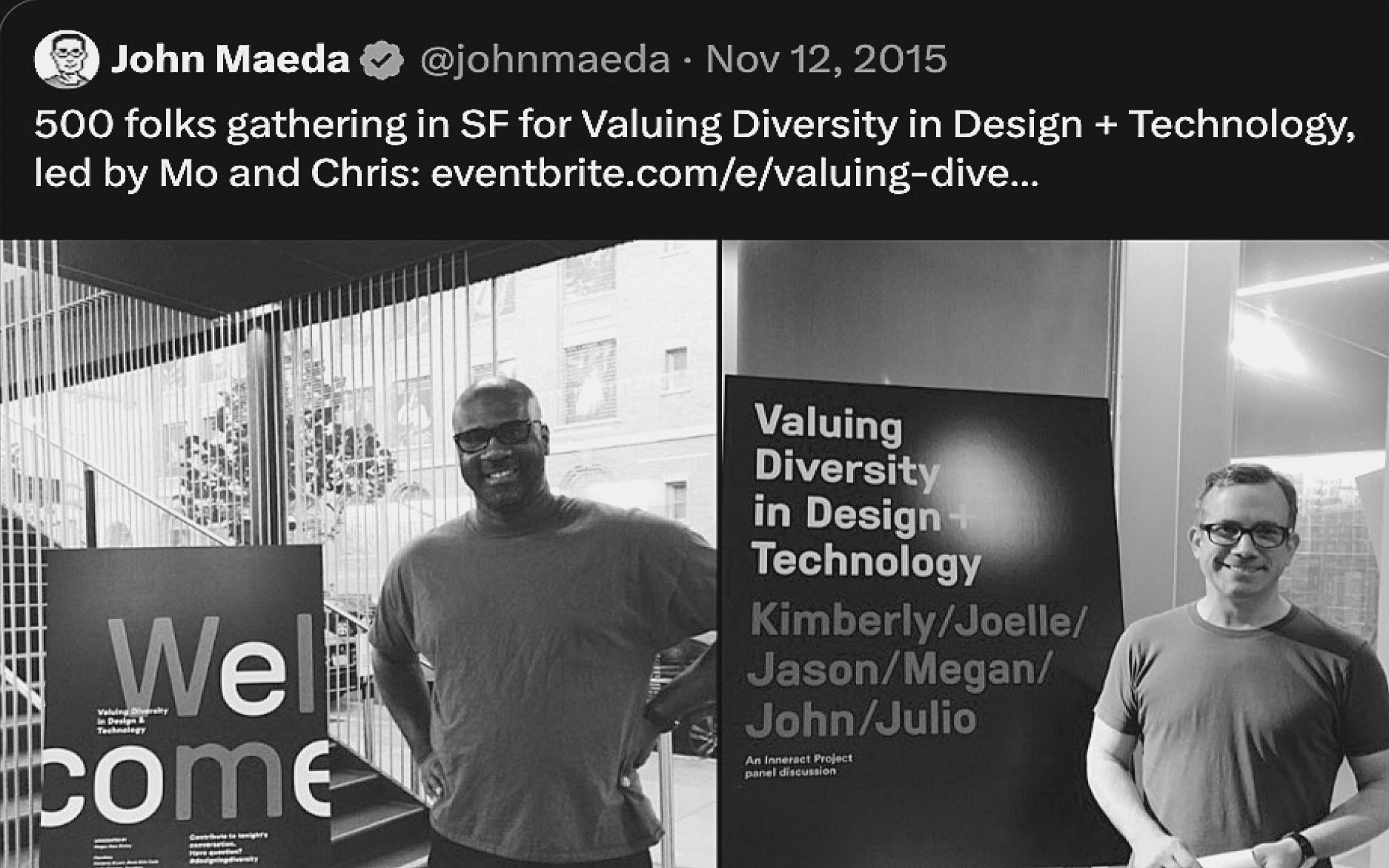
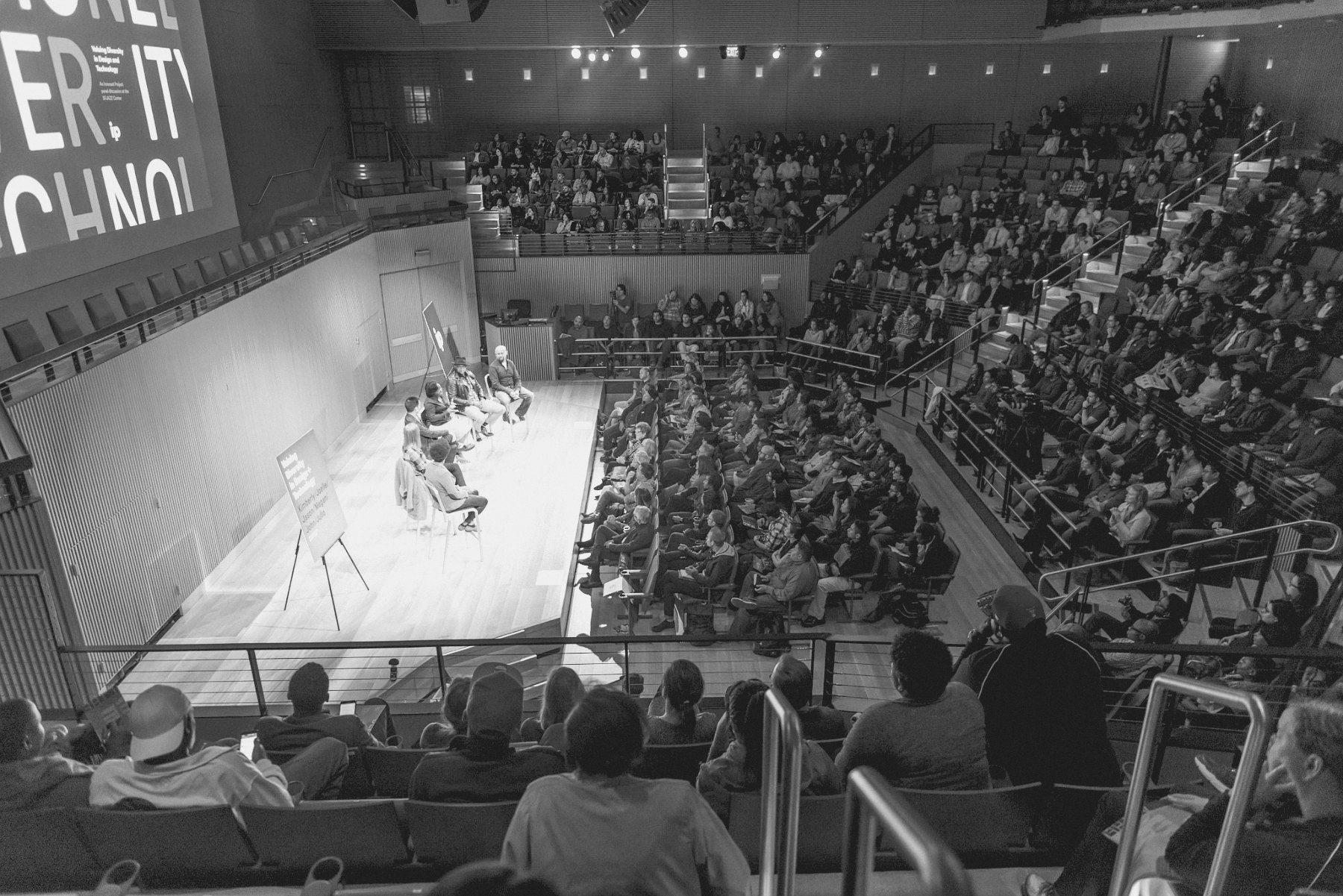
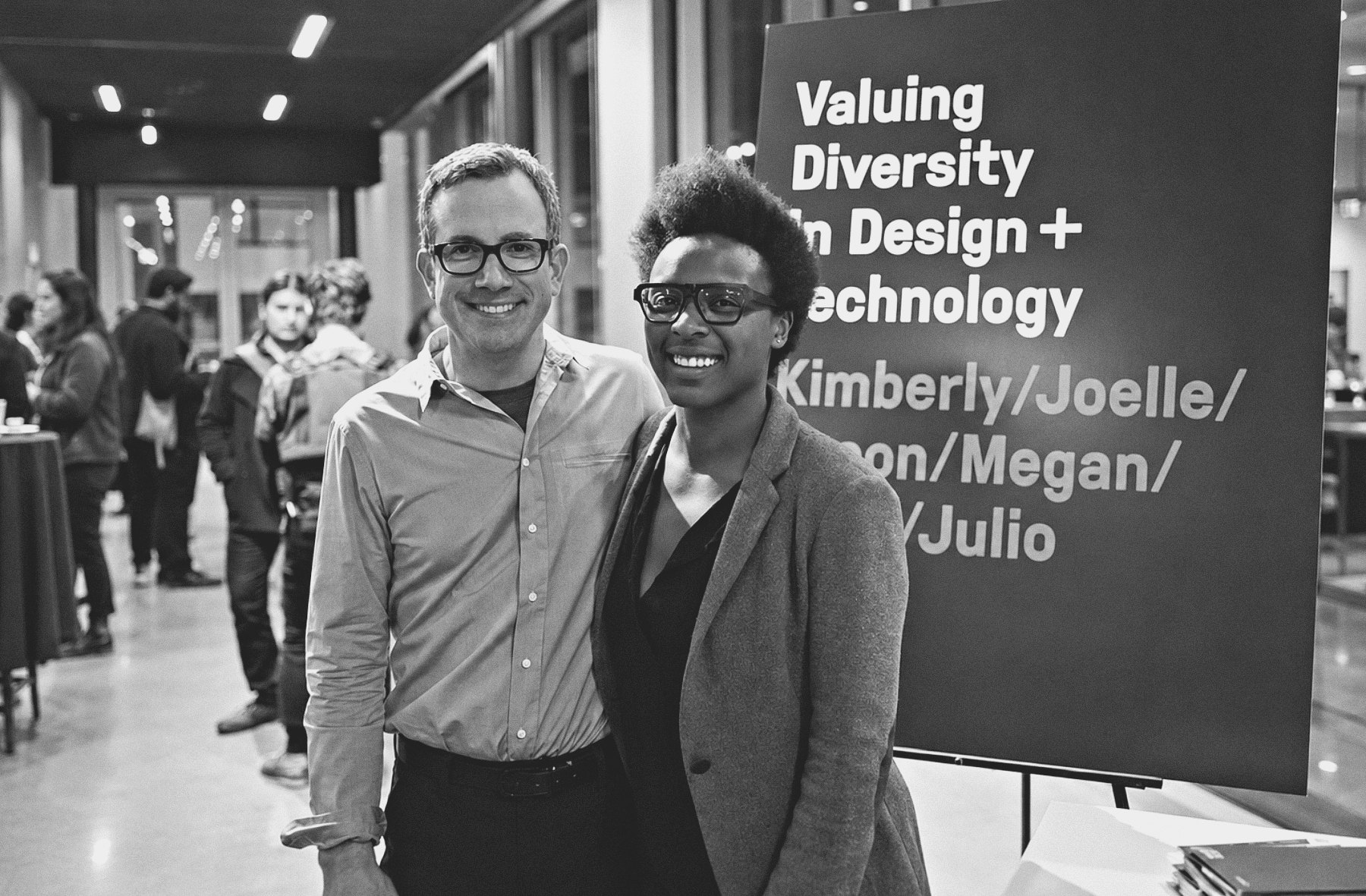
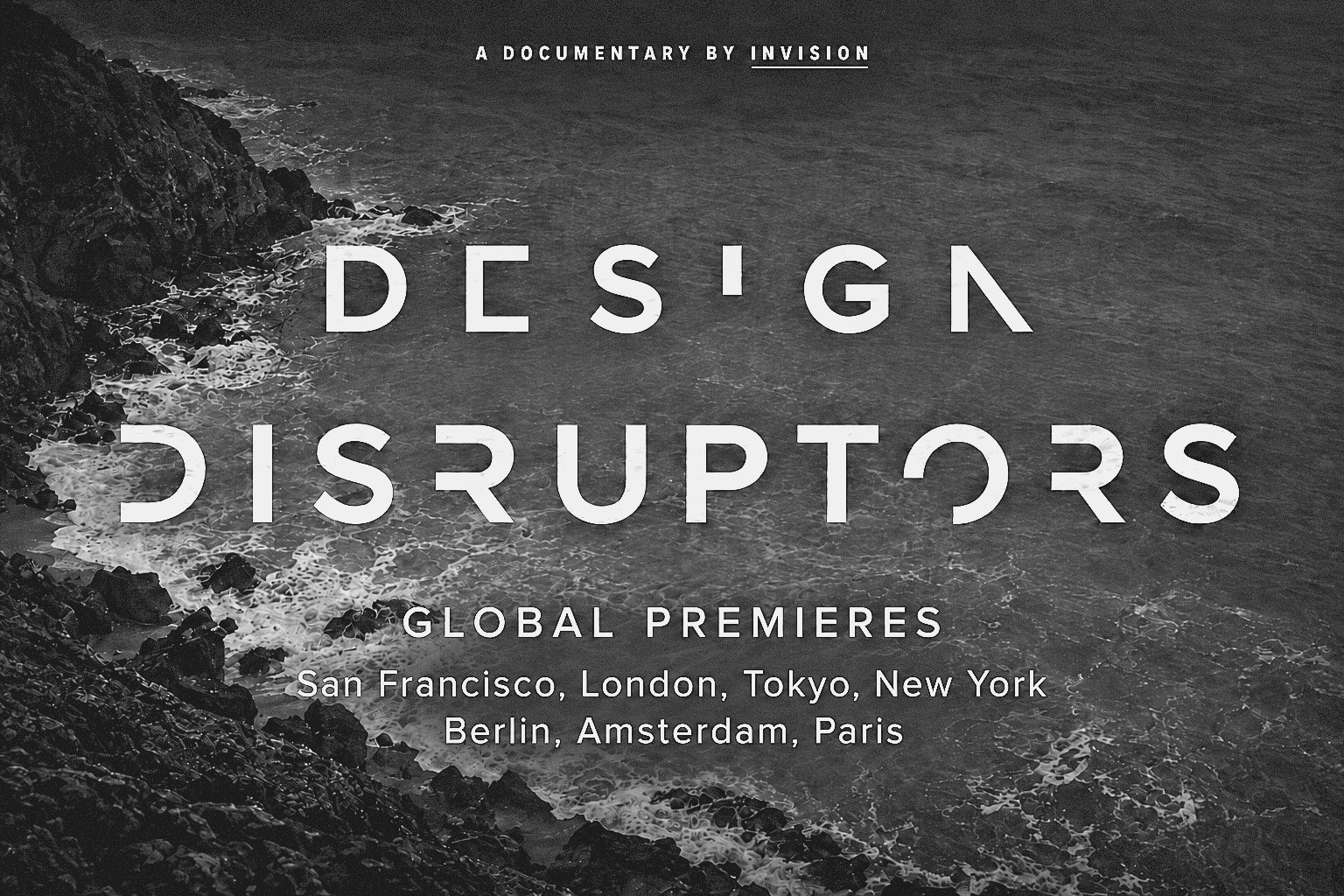
At Inneract Project I authored and was the executive producer of two sold-out events, each with 500+ attendees. The second, The Education of Diversity, is the film above. The first, Valuing Diversity in Design & Technology, asked why some communities get less exposure to design careers. It also secured seven-figure support that funded programming for more than 1,500 students.
When InVision filmed it for Design Disruptors, I made one condition: include Maurice Woods. Dozens of Bay Area design leaders appeared in that film. Besides Maurice, one was Black. None came from education. Maurice opens the film.
Creating dialogue at the speed of trust.
Creative AI has the energy of the early web: new tools every week, people trading discoveries in public, and no one quite sure where it’s headed. But most of that conversation lives in launches and threads. Little of it lasts, especially between the companies building the tools and the people whose craft is changing.
You’re already moving that way, with RISD, Ringling and Alcova. And your own research found trust running low across every creative discipline.
I keep wondering how to sustain that dialogue. Open. Ongoing. Honest about what isn’t working. Designers, established and emerging, studios and students, showing how AI is reshaping their work. In their own words. A running series, timed to what you’re building, so what you hear reaches decisions while they’re still open.
You’d learn as much as anyone in the room. No one owns that conversation yet. I’ve built versions of it before. Each earned trust on both sides. At the scale of AI, with so much still unwritten, it’s worth building.
The opportunity for you is a space where creative communities come to understand you, and you them. I’m going to keep working on this. If you are too, let’s compare notes.
Comparing notes in both directions.
So, I’m building a path to the UK, and through its creative community, to the rest of Europe. The move started before I wrote to you. The endorsements alongside come from my UK Global Talent application.
San Francisco has been home for most of my career. Two decades inside one ecosystem teaches you its strengths, and its blind spots. The UK and Europe think about community in ways I want to understand and experience. I’d bring what I’ve learned. That exchange is what I’m after.
Goldsmiths, one of the schools you already work with, treats the social consequences of technology as a serious subject. Creative Lives in Progress does for the UK what Uplift does here. Create Arts works with young people furthest from the conversation about AI, and among the first it’ll affect.
I’m going either way. If there’s something here worth exploring further, I’d love to talk.
In short,
who’s writing.
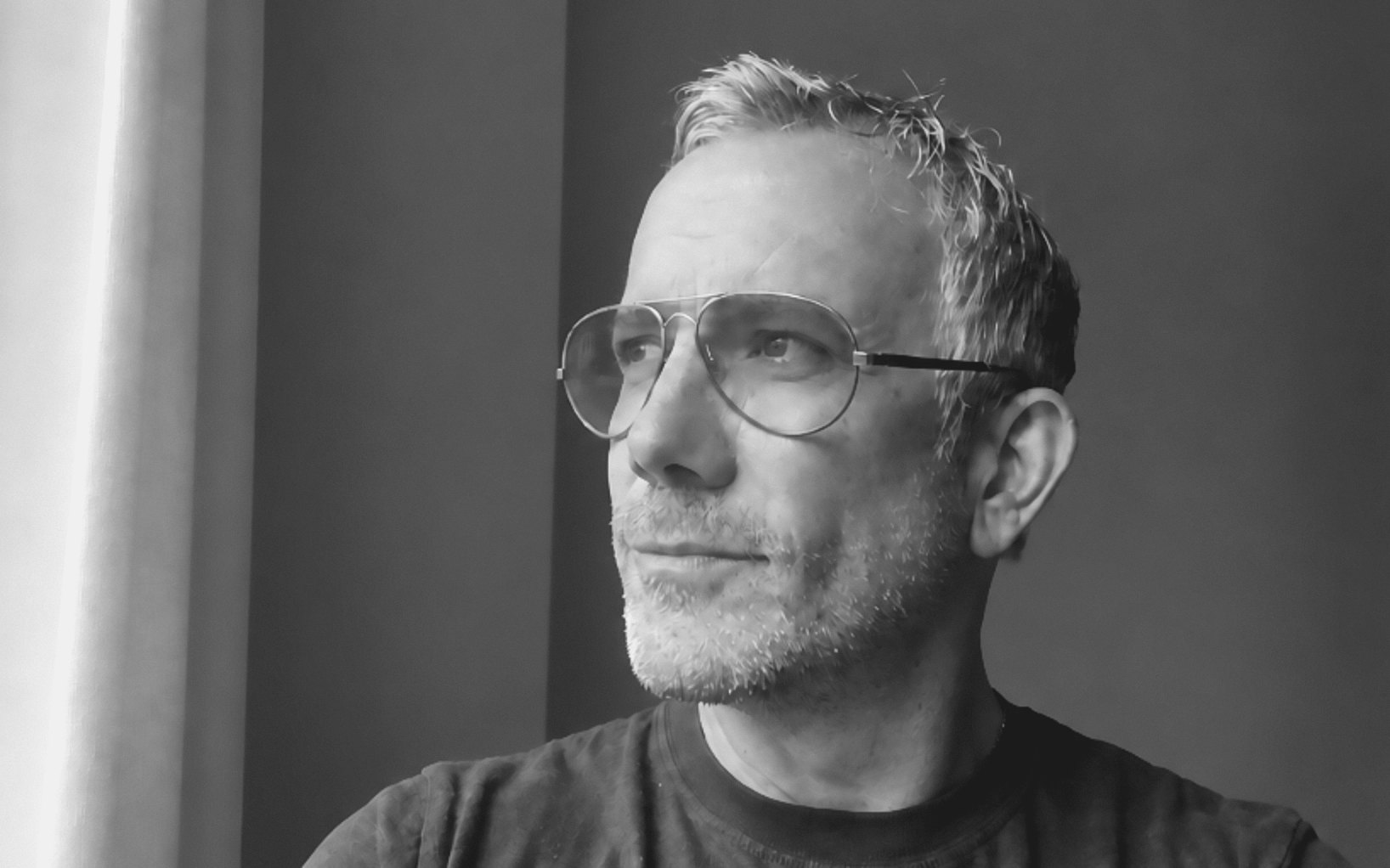
Designer by training. Operator by necessity. Every organization has broken systems that are no one’s job. I made them mine. For fifteen years, whether running design organizations or scaling nonprofits, I’ve built the relationship between companies and the creative people they depend on.
It started at home, when my father, also a designer, died of AIDS. Our family made him a panel for the NAMES Project. I didn’t know it at the time, but making it taught me what it means to bring people in. Especially those who don’t think they have a say. I wrote about it in “Forty-Four”, which appears in Graphic Content: True Stories from Top Creatives.
Early in my career, two influences shaped how I work. The philosophy of Tibor Kalman and Colors magazine showed what’s lost when anyone is left out. Sam Mockbee’s Rural Studio designed with communities, not for them. Today, a past collaborator, Emily Pilloton-Lam, carries that forward at Girls Garage, where girls and gender-expansive young people design and build for their own neighborhoods. Like the quilt and everything that came with making it, all three keep teaching me about the responsibility to the people the work is for.
{{ mgAnswer }}